Register for IN PERSON Register for VIRTUAL

JUMP TO: Fri 9:30a | Fri 11:00a | Fri 1:30p | Fri 3:00p | Sat 9:30a | Sat 11:00a | Sat 1:30p | Sat 3:00p | Videos
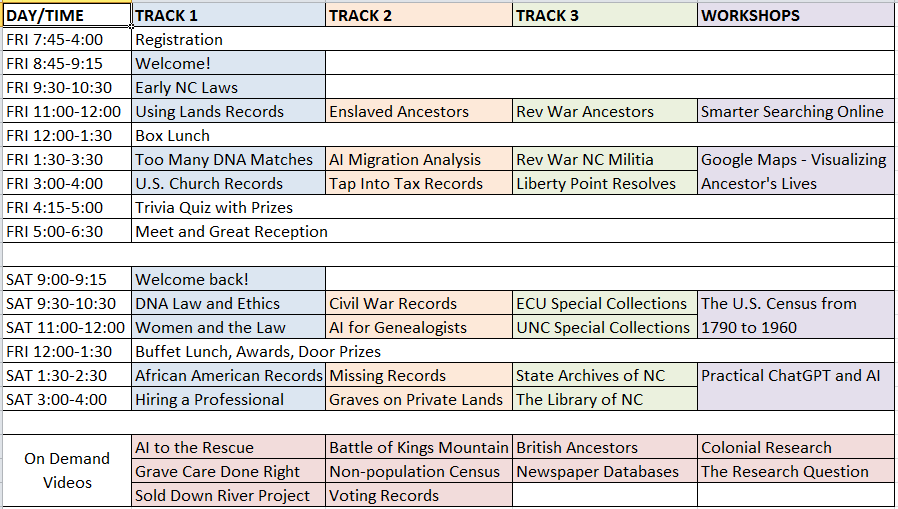
Scheduled presentations will be one hour lectures given in person in Raleigh, streamed live to online attendees, and recorded. All recordings will be available to registrants for 60 days. Workshops are in person only and will not be streamed or recorded. On demand videos vary from 15 to 65 minutes.
TUESDAY – THURSDAY, SEPTEMBER 15-17
There are currently no pre-conference activities scheduled. However, if you are researching North Carolina ancestry we encourage you to take time to visit the State Archives and the State Library of NC in Raleigh – both in the same building! There are also research facilities nearby in Chapel Hill. For more information see Research .
FRIDAY, SEPTEMBER 18
Welcome!
Friday 8:45 AM to 9:15 AM
In addition to going over how to navigate the conference, we’ll talk a little about North Carolina genealogy and the North Carolina Genealogical Society.
FRIDAY 9:30 AM
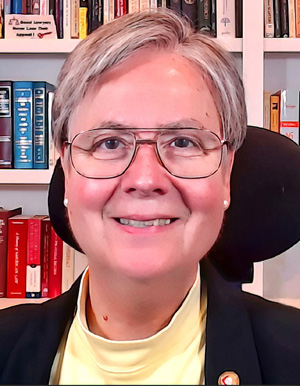
Fairs, Felons and Fake News: Early North Carolina Laws (Keynote lecture)
Friday 9:30 AM to 10:30 AM (All tracks) – Judy G. Russell, JD, CG, CGL, FUGA
The laws our ancestors lived by tell their own story of life in earlier times, and early state laws from every part of the nation tell the stories of Blue Laws, wild animals, and children needing humbling.
FRIDAY 11:00 AM
Landing The Ancestors: Using Lands Records in Genealogy
Friday 11:00 AM to 12:00 PM (Track 1) – Judy G. Russell, JD, CG, CGL, FUGA
Land records are among the earliest, most complete and most valuable genealogical records-and often among the most puzzling. Understanding how land was acquired, measured and recorded under the law is essential to using the records effectively.
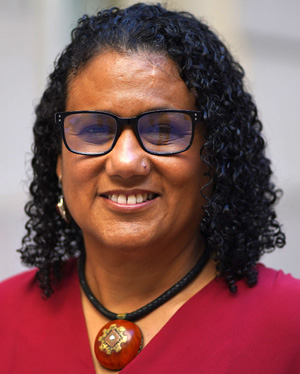
Tracing Enslaved Ancestors: Steps and Strategies
Friday 11:00 AM to 12:00 PM (Track 2) – Ayo Heinegg Magwood
Using North Carolina case studies, this session guides participants through a practical, three-step framework for tracing enslaved ancestors: 1. Identify potential enslaver surnames, 2. Conduct Full-Text-Searches to locate a first enslavement record, 3. Leverage this “anchor record” to systematically search enslaver family probates.
Unearthing 1776: A Deep Dive into Your Revolutionary War-Era Ancestors
Friday 11:00 AM to 12:00 PM (Track 3 -NC250) – Sara E. Campbell
How can we know what our ancestors really did during the Revolutionary War period? Don’t worry if Ken Burns didn’t mention your family in his series. There are many resources that will help us develop a narrative. Who brought the crops in? Is the house still standing? We will walk through techniques that may yield more details about the experiences of our ancestors at home or in the line of march.
Smarter Searching in FamilySearch and Ancestry (Workshop: extra cost, in-person only)
Friday 11:00 AM to 12:00 PM (Workshop 1 hour) – Larry W. Thomas
FamilySearch and Ancestry contain billions of records, but finding the right ones requires more than typing a name into a search box. This workshop teaches practical search strategies, including wildcards, filters, collection-specific searching, image browsing, and ways to work around indexing problems. Participants will learn how to search more deliberately and uncover records that standard searches often miss.
IMPORTANT: You must bring a laptop in order to complete in-class assignments.
Lunch Break
Friday 12:00 PM to 1:30 PM (All tracks) – Box lunch, extra cost
There are no lectures scheduled during this time. We encourage you to socialize with your fellow researchers, and visit our Resources Room.
FRIDAY 1:30 PM
Too Many DNA Matches: Now What?
Friday 1:30 PM to 2:30 PM (Track 1) – Kate Penney Howard
Autosomal DNA tests produce thousands of matches, but only a fraction are truly useful for solving genealogical problems. This session introduces a practical system for prioritizing matches, identifying meaningful clusters, and focusing research efficiently. Participants will learn a repeatable workflow for reducing overwhelm, avoiding common mistakes, and turning confusing DNA match lists into clear, evidence-based genealogical conclusions.
Following the Great Wagon Road: AI-Driven Migration Analysis from Pennsylvania to North Carolina
Friday 1:30 PM to 2:30 PM (Track 2) – Carol Genung
Thousands migrated to North Carolina along the Great Wagon Road, leaving fragmented records across multiple states. Discover how accessible AI tools bridge geographic boundaries to connect scattered evidence and track families with modern efficiency. Through a compelling case study, learn clustering strategies to reveal patterns and uncover kinship groups traditional methods often miss. These techniques apply to any migration trail, empowering you to break through brick walls and reconstruct your ancestors’ movement with confidence.
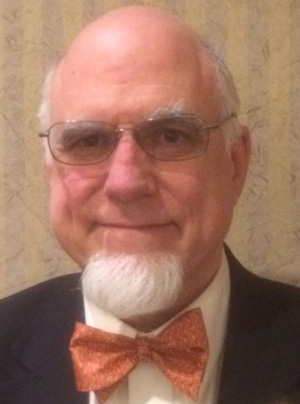
Researching a Revolutionary Soldier in the Militia: A North Carolina Case Study
Friday 1:30 PM to 2:30 PM (Track 3, NC250) – Craig R. Scott, CG®, FUGA
A Revolutionary War ancestor can be a goldmine of information if you know where to look. This lecture aims to examine militia service types, compiled military service records, pension applications, settled accounts, and where other documents can be found, using a step-by-step methodology in a case study.
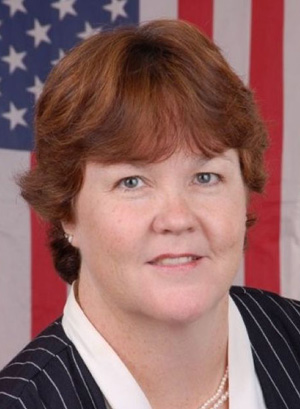
Google My Maps Visualizing Your Ancestors’ Lives (Workshop: extra cost, in-person only)
Friday 1:30 PM to 4:00 PM (Workshop 2 hours) – Linda Debe
Bring your ancestors back to life. In this hands-on workshop, you’ll map their journeys and solve genealogical
problems using Google My Maps. Practice creating professional maps with customizable details, organized layers,
and shareable features. Master techniques for sorting same-named ancestors, locating elusive records, and
analyzing migration patterns. Transform scattered research into stunning visual stories through interactive
exercises and expert guidance. Walk away with practical skills to captivate family and friends while preserving your
family legacy.
FRIDAY 3:00 PM
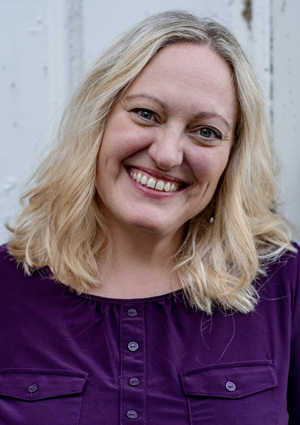
Introduction to U.S. Church Records: Why We Care Where Grandma Went to Church
Friday 3:00 PM to 4:00 PM (Track 1) – Sunny Jane Morton
U.S. church records of many denominations can reveal ancestors’ vital events, family relationships, overseas birthplaces and other residences and religious lives. From the co-author of the acclaimed book How to Find Your Family History in U.S. Church Records, learn what these records may look like, how to identify an ancestral church, locate extant records and access them.
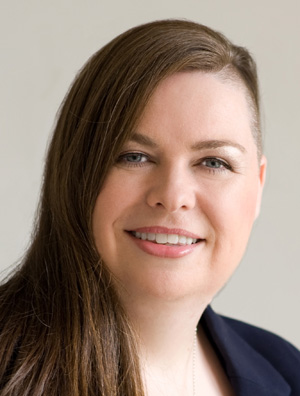
Tap Into Tax Records to Enrich Your Genealogy Research
Friday 3:00 PM to 4:00 PM (Track 2) – Jennifer Dunn
Tax records are among genealogy’s most underutilized treasures. These often-overlooked documents reveal migrations, property, family relationships, and more–especially for researchers hitting brick walls before 1850. Discover how to find them, read them, and use them to transform your genealogy research.
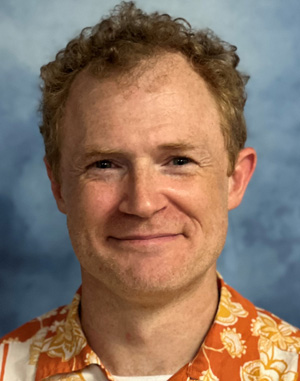
Tracking Colonial Ancestors Across State Lines: A Case Study from the Liberty Point Resolves
Friday 3:00 PM to 4:00 PM (Track 3, NC250 ) – Matthew R. Morgan
This historical case study on one of the more obscure signers of the Liberty Point Resolves showcases some of the difficulties encountered when researching colonial-era North Carolina ancestors and provides tips and techniques on using several different resources to get snippets of information and then piece it all together.
Trivia Quiz: Genealogy, NC history, and NC trivia (In Person only)
Friday 4:15 PM to 5:00 PM – David M. McCorkle
Test your knowledge of genealogy, NC history, and NC trivia! Our third annual quiz is designed not only to test your knowledge, but also for learning about obscure, useful, and even fun information about genealogy, history, and the State of NC. We will keep score for those interested (there will be prizes!), but it will be set up so you can just drop in and listen.
Example: A cadastral map shows what?
A. Location of waterways
B. Property owners
C. State and county boundaries
D. Terrain
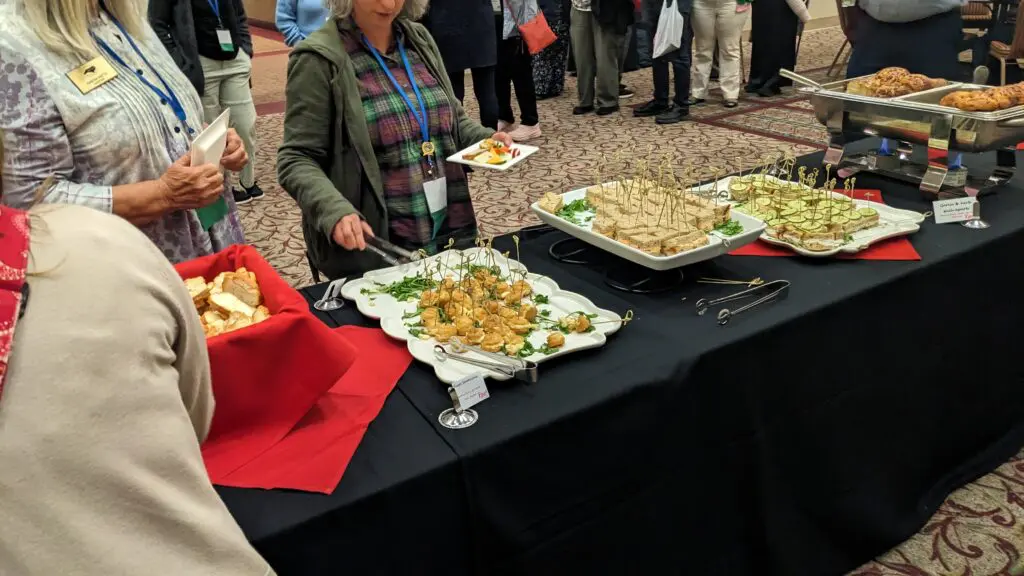
“Meet and Greet” Reception
Friday 5:00 PM to 6:30 PM
Join NCGS staff, conference speakers, and your fellow genealogists for an informal gathering at the McKimmon Center. Light food will be provided.
Saturday, September 19
Welcome Back!
SATURDAY 9:00 AM to 9:15 AM
A quick overview of the day
SATURDAY 9:30 AM
DNA and the Golden Rule: The Law and Ethics of Genetic Genealogy
Saturday 9:30 AM to 10:30 A M (Track 1 ) – Judy G. Russell, JD, CG, CGL, FUGA
Whose permission is needed to test a child or an adult unable to consent? Who owns our DNA? What can we disclose about a cousin who has tested? The rules of the road for the ethical challenges facing genealogists interested in using DNA evidence as part of their family history research. Learn how applying the Golden Rule can guide us through many if not most of the situations in which we as genetic genealogists find ourselves.
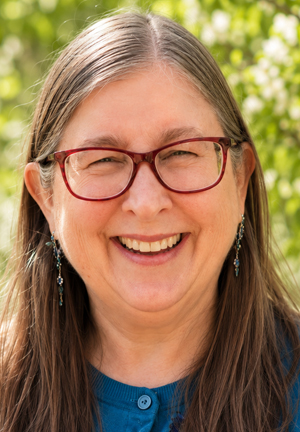
Civil War Era Genealogy Research in Your Jammies – North Carolina’s Rich Collection of Non—Military Records
Saturday 9:30 AM to 10:30 A M (Track 2 ) – Diane L. Richard
Beyond Civil War service and pension records lies a wealth of overlooked sources. We’ll explore old soldier homes, voter registrations, Freedmen’s Bureau and Bank, maps, artificial limbs, rations, petitions, and more records. Because the war affected every citizen, these diverse records offer valuable insights into your ancestors’ stories.
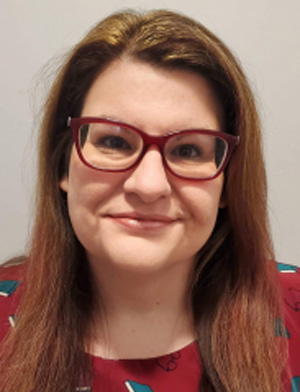
East Carolina University – Joyner Library Special Collections
Saturday 9:30 AM to 10:30 AM (Track 3, Facilities ) – Jennifer Crowder Daugherty
East Carolina University’s Joyner Library is home to the North Carolina Collection – one of the state’s major repositories dedicated to the study of North Carolina, its culture, and its people, and is the only one to emphasize the eastern region of the state. Additional collections include the East Carolina Manuscript Collection and the Rare Book Collection.
The U.S. Census from 1790 to 1960 (Workshop: extra cost, in-person only)
Saturday 9:30 AM to 12:00 PM (Workshop 2 hours) – Sarah E. Campbell
The 1950 census is the most recent decennial census available for genealogists to review. It was unique in that it was the first indexed by AI, and in record time. We will review what made the 1950 census unique, and look back all the way to 1790 and the
Constitutional roots of the census. In six years, we will have the 1960 census to analyze. Many of us will find ourselves in its pages. We already have some clues on what to expect from these documents.
SATURDAY 11:00 AM
Don’t Forget the Ladies – A Genealogist’s Guide to Women and the Law
Saturday 11:00 AM to 12:00 PM (Track 1) – Judy G. Russell, JD, CG, CGL, FUGA
In early America, women were all too often the people who just weren’t there: not in the records, not in the censuses, not on juries, not in the voting booth. The common law relegated women to “protected” – second-class – status, and understanding how they were treated under the law provides clues to finding their identities today.
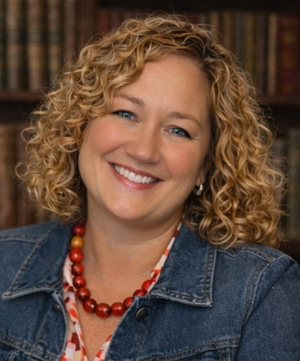
AI for Genealogists Who Don’t Trust AI
Saturday 11:00 AM to 12:00 PM (Track 2) – Kate Penny Howard
Artificial intelligence is rapidly entering genealogy, but many researchers remain skeptical—and for good reason. This session demonstrates practical ways to use AI for research planning, analysis, organization, and writing support while maintaining accuracy, citation standards, and ethical research practices. Participants will learn where AI can genuinely help, where caution is required, and how to use these tools responsibly.
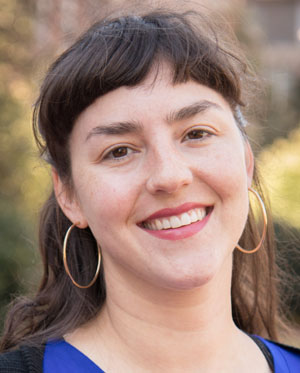
Thinking Outside the (Archival) Box at UNC Wilson Special Collections: Opportunities and Challenges for Genealogists
Saturday 11:00 AM to 12:00 PM (Track 3, Facilities) – Sarah Carrier
The University of North Carolina – Chapel Hill’s Wilson Library is home to special collections of original research materials including the North Carolina Collection and the Southern Historical Collection. This lecture will share strategies for approaching these collections, and highlight some of the current genealogy-related projects, such as digitizing and transcribing slavery-era collections to identify enslaved people. It will emphasize the utility of archival sources like photographs and other images for genealogy research, which may be an unexpected or surprising recommendation.
Lunch Break + Awards Ceremony + Door Prizes
Saturday 12:00 PM to 1:30 PM (All tracks) – Buffet lunch, extra cost
Saturday lunch is more than just eating and socializing. Each year, the North Carolina Genealogical Society honors worthy individual and society endeavors in publishing and other contributions to North Carolina genealogy. Awards winners for 2025 will be recognized and will receive their plaques. If you are interested in nominating someone for an award, please see our awards page. Deadline is August 31, 2025. We will also be giving out door prizes to the lucky winners!
SATURDAY 1:30 PM
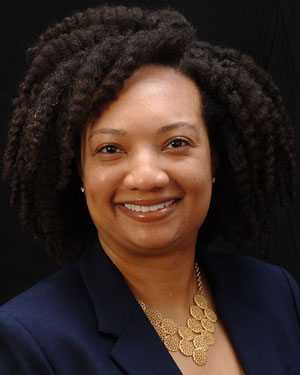
Unique African American Records
Saturday 1:30 PM to 2:30 PM (Track 1) –Ari Wilkins, FTxSGS
Move beyond the more common genealogical records to discover some of the most unusual and underutilized African American records. This lecture will discuss the plethora of information that can be gleaned; where to find these records and how to apply them to your research.
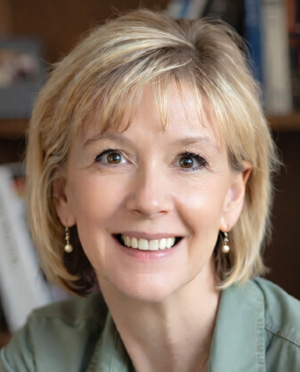
Mind the Gap: 5 Ways Missing Records Lead to Answers
Saturday 1:30 PM to 2:30 PM (Track 2) –Cheri Hudson Passey
Every genealogist runs into missing records: a family that vanishes between censuses, a probate file without a will, or a marriage that simply isn’t where it should be. Instead of stopping the search, these gaps can actually point the way forward. In this session, we’ll explore five practical strategies for turning missing records into valuable leads and learn how to ask why a record is missing, where to find substitutes, and how to use absence itself as evidence. Mind the gap — because sometimes what isn’t there tells the best story.
Researching Genealogy at the State Archives of North Carolina
Saturday 1:30 PM to 2:30 PM (Track 3, Facilities) – Katie Crickmore
The State Archives of North Carolina houses thousands of documents from early North Carolinians and can be a helpful resource for genealogists doing family research. However, visiting for the first time can be daunting, especially if you’re just getting started. In this presentation, we’ll go over the practicalities of visiting in person, what types of records would be most helpful for genealogy, descriptions of various records and how they’re organized, and what resources are available for online research.
Practical ChatGPT and AI for North Carolina Researchers at Every Level (Workshop: extra cost, in-person only)
Saturday 1:30 PM to 4:00 PM (Workshop 2 hours) –Larry W. Thomas
Artificial intelligence tools such as ChatGPT can help genealogists organize evidence, analyze records, develop research questions, summarize findings, and improve writing. This practical workshop focuses on responsible, effective uses of AI for North Carolina research, while also addressing limitations, verification, privacy, and ethical concerns. Participants will see examples that can be adapted for beginners, experienced researchers, and society volunteers.
SATURDAY 3:00 PM
Hiring a Professional Genealogy – Tips Tricks & Resources to Ensure a Win-Win!
Saturday 3:00 PM to 4:00 PM (Track 1) – Diane L. Richard
Sometimes genealogists need to hire someone to help with their research. Whether it is for specialized records (say at NARA), records from a geographically distant locale, a brick wall, you want to join a lineage society and not do the research, etc., these are times when a paid professional might be what you need. We’ll explore how to find a qualified professional and tips, tricks, and strategies to ensure a successful and satisfactory experience.
Hidden Heritage Unearthed – Navigating Ancestral Graves on Private Lands
Saturday 3:00 PM to 4:00 PM (Track 2) – Rhonda V. Roederer
Before public cemeteries became common, many families buried loved ones on their own property, leaving countless ancestral graves hidden on private land today. Explore the unique challenges genealogists face when searching for these forgotten burial sites. Through compelling real-life case studies, learn practical strategies for locating graves, working respectfully with landowners, interpreting historical clues, and preserving the memory of ancestors while honoring both the living and the dead.
The Library of North Carolina – Government and Heritage Library
Saturday 3:00 PM to 4:00 PM (Track 3, Facilities) – Taylor Wolford
The Library of North Carolina Government and Heritage Library’s (GHL) mission is to preserve and facilitate public access to state government information; advance the study, understanding, and appreciation of North Carolina’s cultural heritage; and provide library resources and services that support the operational needs of state government agencies.
Bonus Videos – Full Length
Virtual attendees may watch any of the on demand videos at any time during the conference. Once the conference ends, they will become available again to everyone when the conference recordings are released. Full length videos are 55 to 65 minutes.
Bridging the Atlantic: US and UK Resources for Researching Colonial Ancestors
On Demand Video, Full Length – Diane L. Richard
You don’t need to travel abroad to research British Colonial ancestors (though you might want to!). Many U.S. and U.K. resources—both free and subscription—are now available online. With expanding access to U.K. databases, we can uncover valuable details about pre-Revolutionary War ancestors from home.
Colonial Research in North Carolina
On Demand Video, Full Length – Kathy Kirkpatrick
Information can be found in passenger arrivals, military records, marriage records, church and cemetery records as well as land, probate, and taxation records. These sources can be found at online genealogy research websites, and the State Archives of North Carolina. Lineages and trees at the above websites, plus at hereditary societies including DAR and the Order of First Families of North Carolina can bridge record gaps. Descriptions of each source and repository are included
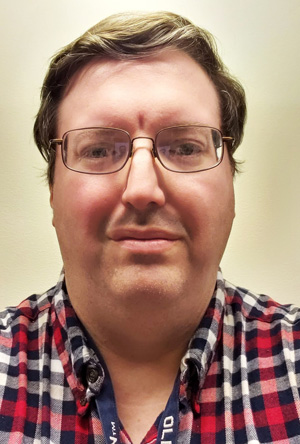
Documenting Forced Migration Across the Upper and Lower South
On Demand Video, Full Length –Troy Valos
This presentation examines the forced migration of enslaved people from the Upper South to the Deep South. Participants will learn strategies for tracing enslaved ancestors using deeds, probate, shipping, and court records, while addressing challenges in fragmented documentation. Insights from the Sold Down River project guide research across regions and generations.
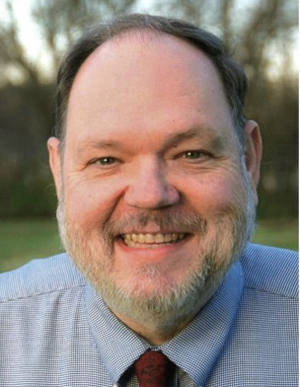
Kings Mountain: The Men, the Stories, the Families, and the Facts
On Demand Video, Full Length – J. Mark Lowe, FUGA
We will bring together military history and genealogy to uncover the lives behind this Battle. Through documented family lines, personal accounts, regional traditions, and historical records, we will discover the patriot and loyalist families connected to Kings Mountain, the communities they came from, and how their service helped define the American frontier during the American Revolutionary War.
The Many Faces of the Census: Beyond the Population Schedule – Agricultural, Mortality, and Industry Records
On Demand Video, Full Length – Cheri Hudson Passey
Many researchers stop at the population schedule, but census records also include valuable schedules that document farms, businesses, deaths, and community life. This session explores agricultural, mortality, and industry schedules, showing how they can be used to add depth to family history.
Respect the Dead (and the Stone): Grave Care Done Right
On Demand Video, Full Length – Kate Penney Howard
Gravestones are fragile historical records that require careful and respectful preservation. This session covers safe cleaning techniques, cemetery etiquette, proper documentation practices, and methods for digitally preserving graves using tools like Find a Grave and BillionGraves. Participants will learn how to protect these important records while avoiding well-meaning mistakes that can permanently damage historic stones and cemetery landscapes.
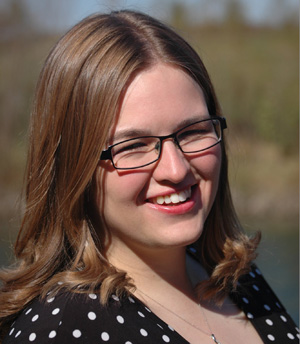
The Scoop on Digitized Historic Newspaper Databases for Genealogy
On Demand Video, Full Length – Eleanor O. Brinsko, MLIS
Can you find your ancestors without sitting hunched over a microfilm reader or paging through acidic newspapers that crumble with every turn? Yes you can with digitized newspapers! This presentation will explore the history of historic newspaper accessibility, the digitization process, and different online databases to find these important treasures.
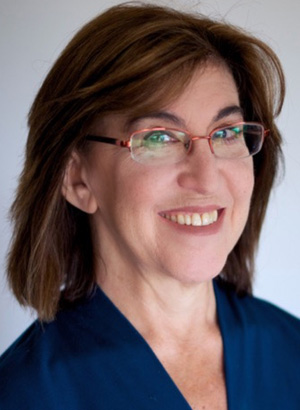
Voting Records: Genealogy’s Best Kept Secret
On Demand Video, Full Length – Pam Vestal
Looking for a date of birth or death? When and where your ancestor became a citizen? Where he disappeared to or came from? Voting records may have the answer. These often-overlooked gems can be packed with genealogical information, and you won’t believe what they can tell us about our ancestors!
Bonus Videos – Shorts
Virtual attendees may watch any of the on demand videos at any time during the conference. Once the conference ends, they will become available again to everyone when the conference recordings are released. Short videos are 15 to 35 minutes.
AI to the Rescue: Determining Familial Relationships
On Demand Video, Short – Emily Coffman Richardson, Ed.D.
Have you ever struggled to explain your relationship to a distant cousin, or tried to help a non-genealogist understand what “second cousin twice removed” actually means? AI is here to help. In this session, learn how to use AI to clearly describe and explain the complex relationships in your tree — complete with a family tree diagram to make even the most tangled connections easy to understand.
What is the Research Question? A Foundational Step in Research Strategy
On Demand Video, Short – Emily Coffman Richardson, Ed.D.
A well-crafted research question is the cornerstone of any effective genealogical research strategy. By focusing on a specific person and a clearly defined problem, it helps frame the scope of your investigation — guiding you toward relevant sources, meaningful evidence, and ultimately, answers. In this session, you will learn how to evaluate your research needs, formulate effective research questions, and use them to drive a more focused and productive research process.