The following are complete webinar recordings in chronological order. Paging is available at the bottom of the page to sequence through the list or use Filter by Speaker on the right to see a listing by a specific speaker. To view a listing in alphabetical order by presentation title, use the Return to Library link in the sidebar.
Click on the title of the webinar to visit that page for online viewing. The PDF handout for the webinar is available for download on the same page. A complete listing of all handouts, with links, are available on the Member Webinar Handouts page.
Recordings of live webinars will be added to this page, typically two to three weeks after the live presentation.
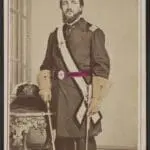
- Masonic Lodges, Odd Fellows, and Secret Societies
 — Presented by J. Mark Lowe, FUGA — Fraternal and Masonic organizations are groups of people bound together for social, religious, philosophical or philanthropic purposes. Learn about the records available and how to determine if an ancestor was a member of an organization.
 - What is New is Also Old – Tolls: Have You Explored these Records for Your Ancestors?— Presented by Diane L. Richard, MEng, MBA — The concept of tolls is not new. Depending on where your Tar Heel ancestor lived and, especially if a body of water needed to be crossed or a new turnpike was recently put into operation, tolls/fees were paid. How many of you have cars with E-Zpass/NC ...
- Legal Lingo in the Tarheel State: Using Black’s Law Dictionary— Presented by Judy G. Russell, JD, CG®, CGLSM — Understanding the legal lingo in the records is a critical part of understanding the records themselves — and we figure out what we need to know using resources like Black’s Law Dictionary.
- Plundering for Genealogical Treasures at East Carolina University— Presented by Jennifer Crowder Daugherty — This talk covers the types of resources found in the North Carolina Collection and the East Carolina Manuscripts Collection including family histories, county record abstracts and transcriptions, maps, diaries, letters, personal papers, and more.
- A “Hand-out” for Your Poor Ancestors: Local Parishes, and Counties Stepped Up— Presented by Diane L. Richard, MEng, MBA — Providing relief to those in need is not a modern concept. Throughout history, the records reflect the provision for assistance or relief to those in need. Whether one received food, a dispensation to not pay taxes, support money for a bastard child, was apprenticed, hospitalized in ...
- Pre-Revolutionary Wars and Records— Presented by Craig R. Scott, CG®, FUGA — This webinar places the research in context from the period of the French and Indian War up to the Revolutionary War. It also discusses strategies for successful research from literature review through free and subscription websites relating to this time period.
- Basics of African-Native American Genealogy— Presented by Angela Walton-Raji — Many African-American families have a family story of an ancestor who was said to be of Native American ancestry. In most cases, there is little knowledge of how this can be studied. This lecture looks at the types of records in which many “blended families” can be examined.
- Post Office Records: Geography, Politics, Religion— Presented by Diane L. Richard, MEng, MBA — Most talks on post offices focus on them as employers — for those seeking to document family members who worked for the post office. Post offices aren’t just about employees or even the mail. Post offices used to define communities and people used their location to ...
- Indentured Servitude in North Carolina— Presented by Craig R. Scott — Indentured servitude was of immense value to colonial America. Through the headright system, it allowed for the transportation of men and women who were either unable to afford or were actually unwilling to travel to the colonies and settle in a land desperately in need of people
- Finding, Understanding, and Using Deeds in Your Research— Presented by David McCorkle — Deeds are extremely useful in genealogical research for determining time and place, relationships, neighbors, wealth, occupations, and more. They are also the most voluminous records you’ll encounter dating from before the founding of North Carolina up to right now, and deeds for a specific property can be scattered amongst ...