The following are complete webinar recordings in chronological order. Paging is available at the bottom of the page to sequence through the list or use Filter by Speaker on the right to see a listing by a specific speaker. To view a listing in alphabetical order by presentation title, use the Return to Library link in the sidebar.
Click on the title of the webinar to visit that page for online viewing. The PDF handout for the webinar is available for download on the same page. A complete listing of all handouts, with links, are available on the Member Webinar Handouts page.
Recordings of live webinars will be added to this page, typically two to three weeks after the live presentation.
- Navigating Online Genealogy Databases: The Good, the Bad, and the Ugly
 — Presented by Patti Lee Hobbs, CG® — There is no question that online databases have opened doors for genealogists to be able to research their family history more quickly and easily. However, that facility of access brings with it some hidden dangers. Researchers wanting to meet the Genealogical Proof Standard by doing thorough research ...
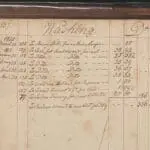
 - Get Lost in Ledgers – The Unique Looking Glass into Our Ancestors’ Lives— Presented by Diane L. Richard, MEng, MBA — Business/organization ledgers document everyday business transactions that involved North Carolinian families. This webinar focuses on the many kinds of ledgers used by North Carolina businesses and highlights where we can locate these ledgers and what we can learn from them.
- Zotero: A Versatile Research Tool for Genealogists— Presented by Patti Lee Hobbs, CG® — Zotero is open-source software developed specifically for researchers. It is designed to help users “collect, organize, cite, and share research.” Zotero helps researchers organize the way they search and collect information, while providing a means to quickly and easily cite the source ...
- Migrations 2: North Carolinians on the Move – Reconstruction and Early 20th Century Migration— Presented by Diane L. Richard, MEng, MBA — Many individuals and families migrated into North Carolina, especially in the colonial and pre-Civil War period. Depending on who was immigrating and when, different locales in North Carolina were hot spots for emigrants from abroad either directly or via Virginia, South ...
- Migrations 1: Many Arrive – Early Migration In, Across, and Out of North Carolina— Presented by Diane L. Richard, MEng, MBA — Many individuals and families migrated into North Carolina, especially in the colonial and pre-Civil War period. Depending on who was immigrating and when, different locales in North Carolina were hot spots for emigrants from abroad either directly or via Virginia, South ...
- Infrastructure Records of North Carolina and Their Use in Genealogical Research— Presented by Stewart Dunaway — Infrastructure records consist of roads, bridges, ferry, ordinary and mill records which define the necessary infrastructure to migrate across North Carolina and surrounding states. This presentation will cover the record types and what genealogy information can be found within them.
- Quaker Records and Migration— Presented by Craig R. Scott, CG, FUGA — This webinar will examine the creation of Quaker records and their meaning for the researcher. The reasons for migration and migration patterns before and after the Revolutionary War will also be explored.
- Finding Women: Maiden Name Not Known— Presented by Craig R. Scott, CG, FUGA — Learning the maiden name of a wife can be one of the more difficult tasks in genealogical research. When a maiden name is hard to find you may have to learn it through the records of the men in her life.
- Mapping Your Ancestors’ Land: How to Do It – And Why Bother— Presented by Helen F. M. Leary, CG (Emeritus), FASG, FNGS — This webinar discusses how to collect the data you need to find your ancestors anywhere that metes and bounds are used as land boundaries.
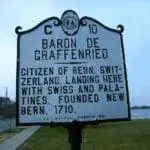
- German Settlement of North Carolina— Presented by Victor T. Jones, Jr — This webinar will discuss the Swiss and German colony of 1710 around New Bern and the Moravian and Pennsylvania Dutch settlements through the Piedmont (including Salem), while briefly touching on the resources to help discover your North Carolina-German ancestor.