The following are complete webinar recordings in chronological order. Paging is available at the bottom of the page to sequence through the list or use Filter by Speaker on the right to see a listing by a specific speaker. To view a listing in alphabetical order by presentation title, use the Return to Library link in the sidebar.
Click on the title of the webinar to visit that page for online viewing. The PDF handout for the webinar is available for download on the same page. A complete listing of all handouts, with links, are available on the Member Webinar Handouts page.
Recordings of live webinars will be added to this page, typically two to three weeks after the live presentation.
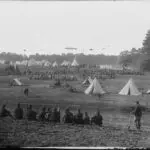
- North Carolina Civil War Prisoners of War
 — Presented by Annette Burke Lyttle — Civil War records often tell us that a soldier was “captured,” but they rarely explain how that moment unfolded or why the surviving documentation looks the way it does. For North Carolina Confederates held in Union prisoner-of-war camps, the path into captivity varied widely.
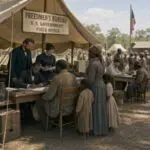
 - Records of the Freedmen’s Bureau: A Universal Resource for North Carolina Researchers— Presented by Renate Yarborough Sanders — While the nickname “Freedmen’s Bureau” may suggest a focus solely on the formerly enslaved, these records are an essential resource for all North Carolina researchers. Officially known as the “Bureau of Refugees, Freedmen, and Abandoned Lands”, this federal agency documented a vast cross-section of post-Civil War society. This ...
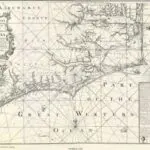
- Genealogy’s Best-Kept Secrets: Offbeat Resources Useful for Tracing Colonial North Carolina Women— Presented by Diane L. Richard, MEng, MBA — Researching colonial ancestors can feel like searching for buried treasure! With so many early records lost or scattered across the ocean, colonial research can be tricky – but exciting new resources are making it easier than ever.
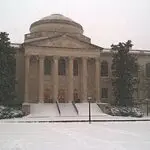
- Looking for Family in Wilson Library— Presented by Matthew Turi — This presentation will offer an introduction to the processes and procedures for using and discovering manuscript and archival materials about your family in UNC-Chapel Hill’s Louis Round Wilson Special Collections Library.
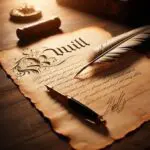
- Probate Records: Wills and a Whole Lot More— Presented by Annette Burke Lyttle — Probate records can be some of the richest genealogical resources. Yes, they can contain wills, but often the best information comes from the other records in the packets – and our ancestors didn’t even have to die to make an appearance in a probate action. Learn about ...
- Charting Ancestral Waters: Seafaring and Mariner Ancestors (1800s)— Presented by Diane L. Richard, MEng, MBA — Many North Carolinians worked as mariners, seafarers, or related land-based businesses supporting the shipping trade in the post-colonial and early 19th-century period. Documenting these individuals can be challenging since we cannot rely on British colonial-era style records. Together we will explore where to research these seemingly ...
- Gossip, Gore, and Glory: How North Carolina Newspapers Can Bring Your Family History to Life— Presented by Julia A. Anderson — Newspapers have been in circulation in the United States since the beginning and can provide rich genealogical and historical information about your family members and their associates. Today’s technology makes it easier than ever to find and analyze these records, supplying details that can enrich your family stories. ...
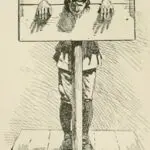
- Crimes Across Multiple Jurisdictions: Piedmont Outlaws – The Abbott Brothers— Presented by Diane L. Richard, MEng, MBA — Understanding the legal jurisdiction and geography of ancestors and events is critical in finding needed genealogical records. For various historical reasons, records are not always found in the most obvious places; we need to stretch ourselves and look elsewhere.
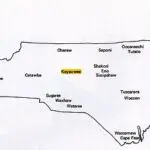
- The North Carolina Indigenous People— Presented by Craig R. Scott, CG, FUGA — Researching the indigenous people of North Carolina is challenging. Most of the records available to researchers are in the materials created by government agencies. Records include allotment records, annuity rolls, census records, correspondence, and school records.
- Lineage Societies – Choices, Applications and Requirements— Presented by Emily Coffman Richardson, EdD — Choosing to join a lineage society is one way to honor your ancestor. Which one, if any, should you join? What are the requirements? Samples of several society applications will be examined.