The following are complete webinar recordings in alphabetical order. Paging is available at the bottom of the page to sequence through the list or use Filter by Speaker on the right to see a listing by a specific speaker. To return to the alphabetical listing by presentation title, use the Return to Library link in the sidebar. To view a listing in chronological order (latest first), visit the Webinar Library – Chronological page.
Click on the title of the webinar to visit that page for online viewing. The PDF handout for the webinar is available for download on the same page. A complete listing of all handouts, with links, are available on the Member Webinar Handouts page.
Recordings of live webinars will be added to this page, typically two to three weeks after the live presentation.
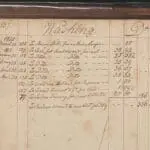
- Get Lost in Ledgers – The Unique Looking Glass into Our Ancestors’ Lives
 — Presented by Diane L. Richard, MEng, MBA — Business/organization ledgers document everyday business transactions that involved North Carolinian families. This webinar focuses on the many kinds of ledgers used by North Carolina businesses and highlights where we can locate these ledgers and what we can learn from them.
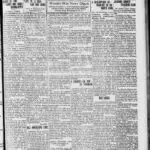
 - Gossip, Gore, and Glory: How North Carolina Newspapers Can Bring Your Family History to Life— Presented by Julia A. Anderson — Newspapers have been in circulation in the United States since the beginning and can provide rich genealogical and historical information about your family members and their associates. Today’s technology makes it easier than ever to find and analyze these records, supplying details that can enrich your family stories. ...
- How Old Did He Have To Be…?— Presented by Judy G. Russell, JD, CG®, CGLSM — Knowing a person’s age is often the key to distinguishing between two people of the same name. But if no record gives a birth date, how do you know how old someone was? The law can often give the answer.
- Identifying Robert Walker’s Ancestry— Presented by Pam Stone Eagleson, CG — Robert Walker of Rockingham County, North Carolina, and Orange County, Indiana, vanished without a trace in 1829. This webinar will discuss what the records (census, probate, land), etc. revealed … and how the evidence supports the conclusion.
- Indentured Servitude in North Carolina— Presented by Craig R. Scott — Indentured servitude was of immense value to colonial America. Through the headright system, it allowed for the transportation of men and women who were either unable to afford or were actually unwilling to travel to the colonies and settle in a land desperately in need of people
- Infrastructure Records of North Carolina and Their Use in Genealogical Research— Presented by Stewart Dunaway — Infrastructure records consist of roads, bridges, ferry, ordinary and mill records which define the necessary infrastructure to migrate across North Carolina and surrounding states. This presentation will cover the record types and what genealogy information can be found within them.
- Learning More About the Families and Records of the Moravian Church of North Carolina— Presented by J. Mark Lowe, CG, FUGA — Discusses the detailed and carefully-kept records of these religious Moravian people in Western Carolina along with their neighbors. These records begin in 1753 and reach far beyond the borders of North Carolina.
- Legal Lingo in the Tarheel State: Using Black’s Law Dictionary— Presented by Judy G. Russell, JD, CG®, CGLSM — Understanding the legal lingo in the records is a critical part of understanding the records themselves — and we figure out what we need to know using resources like Black’s Law Dictionary.
- Lineage Societies – Choices, Applications and Requirements— Presented by Emily Coffman Richardson, EdD — Choosing to join a lineage society is one way to honor your ancestor. Which one, if any, should you join? What are the requirements? Samples of several society applications will be examined.
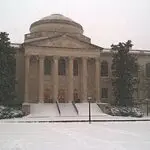
- Looking for Family in Wilson Library— Presented by Matthew Turi — This presentation will offer an introduction to the processes and procedures for using and discovering manuscript and archival materials about your family in UNC-Chapel Hill’s Louis Round Wilson Special Collections Library.